Universal Steering Wheel Fit: What You Must Check

Will a universal steering wheel fit my car?
Usually not without additional parts, and sometimes not at all. “Universal” steering wheels are typically universal in size and bolt pattern at the wheel-to-hub connection, not universal to every vehicle’s steering column. Your car’s fit depends on the hub adapter for your exact make/model/year and how your factory steering wheel is equipped.
What “universal” really means
Most aftermarket steering wheels share common mounting patterns (often 6-bolt layouts). The wheel itself may bolt to many hubs, but the hub must match your vehicle’s steering shaft splines and depth so the wheel sits correctly and can be tightened safely. If there’s no hub made for your vehicle, the wheel won’t be a proper fit—even if the wheel is marketed as universal.
Big compatibility deal-breakers to check
Start with safety and electronics. If your factory wheel has an airbag, removing it may be illegal for street use in some areas and can affect insurance and inspection requirements. Many cars also have steering-wheel controls (audio, phone, cruise) and a clock spring for wiring—aftermarket wheels often won’t support these without specialized solutions.
Also confirm whether your vehicle uses a tapered spline, keyed shaft, or unique fastening hardware. Incorrect fit can cause wobble, horn issues, or steering play.
How to confirm fit before buying
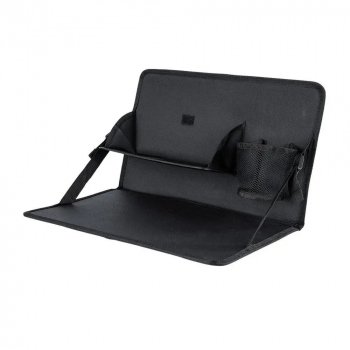
Look up a hub adapter specifically listed for your car’s year/make/model and confirm it supports your needs (horn wiring, quick-release compatibility, correct offset/dish). Then match the steering wheel’s bolt pattern to the hub. If you’re shopping for a different kind of “universal” accessory—like a steering wheel desk or tray—see this guide for practical fit and use tips: https://everydaychoicesshelf.shop/guide-universal-steering-wheel-desk-work-meal-tray/.
FAQ
Do I need a hub adapter to install an aftermarket steering wheel?
In most cases, yes. The hub adapter is what matches your vehicle’s steering shaft splines and positions the wheel correctly; the “universal” wheel usually won’t mount directly to the factory shaft.










Leave a comment