Dive Watches Divers Actually Wear: 200m Bezel Basics
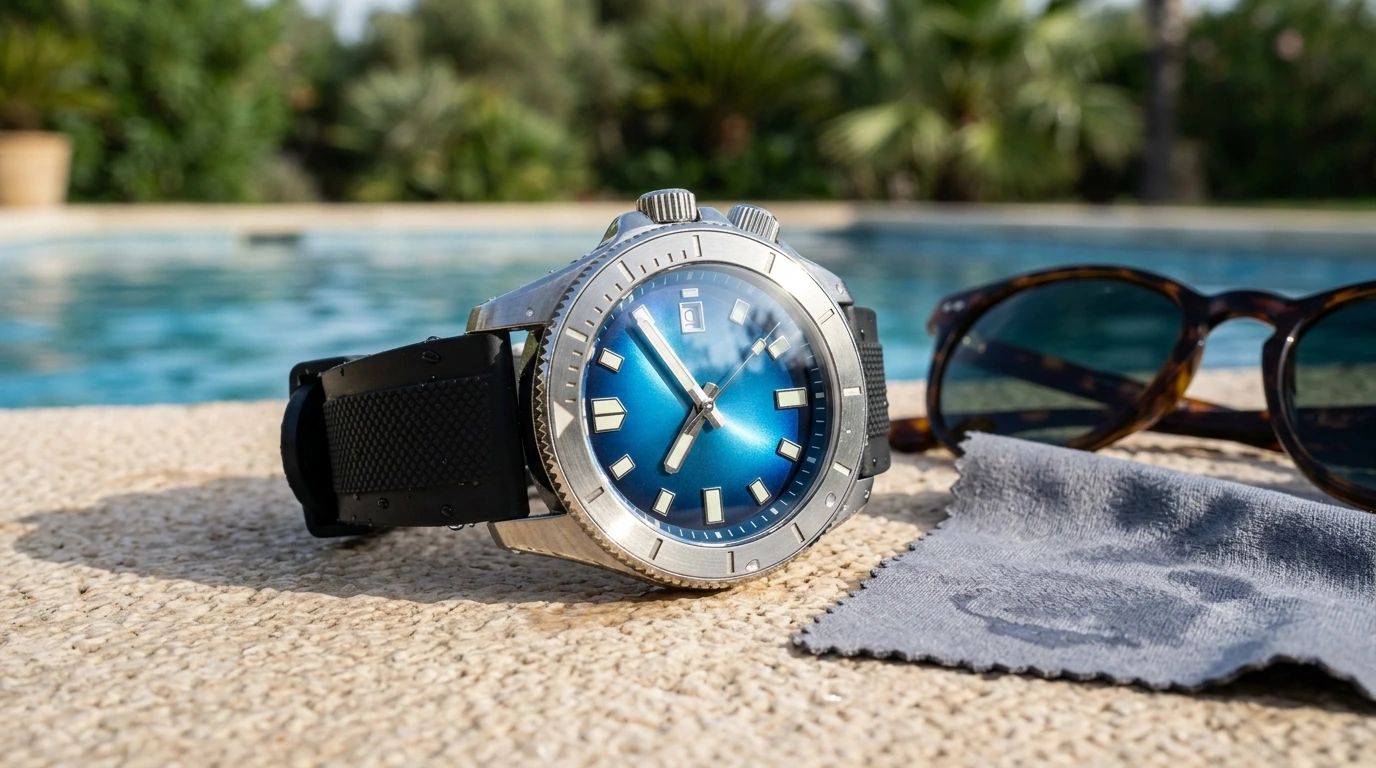
What watch do most divers wear?
Most divers wear a purpose-built dive watch (or a dive computer) designed to handle water pressure, low visibility, and rough handling. In everyday recreational diving circles, the “most worn” style is typically a stainless-steel diver with a unidirectional bezel, strong lume, and at least 200 meters of water resistance—because it’s rugged, readable, and easy to operate with wet hands or gloves.
For many divers, the watch is a backup timer and an everyday tool rather than the primary decompression device. That’s why practical features matter more than luxury branding: a clear minute track, high-contrast hands, and a bezel that clicks securely so elapsed-time tracking stays reliable.
Why classic 200m automatic dive watches are so common
A 200m-rated diver hits a sweet spot for real-world use: it’s more than enough for swimming, snorkeling, and most recreational diving conditions, while still being wearable day-to-day. Automatic movements are popular because they’re dependable, battery-free, and easy to service over time. Divers also tend to favor watches with screw-down crowns and solid case construction for added peace of mind around water.
What to look for if you want a “diver’s diver”
If the goal is to wear what divers actually trust, prioritize: ISO-style diver design cues (even if not officially certified), a unidirectional bezel with crisp markings, excellent lume, a secure bracelet or strap, and a movement known for durability. Dial legibility is huge—large indices and a clean layout beat busy designs when visibility drops.
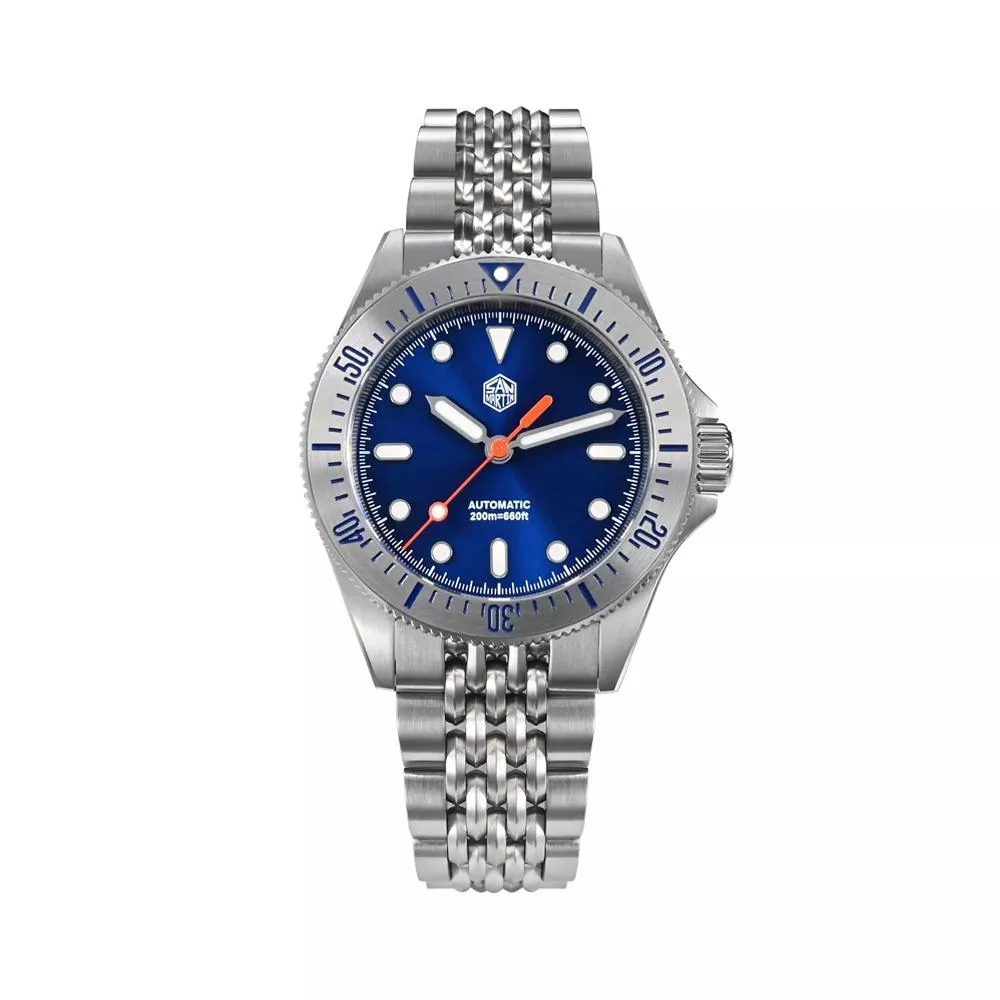
For a closer look at a modern 200m automatic option with a bright, highly legible dial and a proven movement, see the full guide here: https://everydaychoicesshelf.shop/guide-sunburst-enamel-dial-diver-watch-nh35-automatic-200m/.
FAQ
Is a 200m water resistance rating enough for scuba diving?
For most recreational scuba diving, 200m water resistance is generally considered sufficient when paired with a screw-down crown and a properly sealed case. It also provides a comfortable margin for swimming and water sports outside of diving.









Leave a comment