Porcelain vs Ceramic Bathroom Sinks: Which Wins?
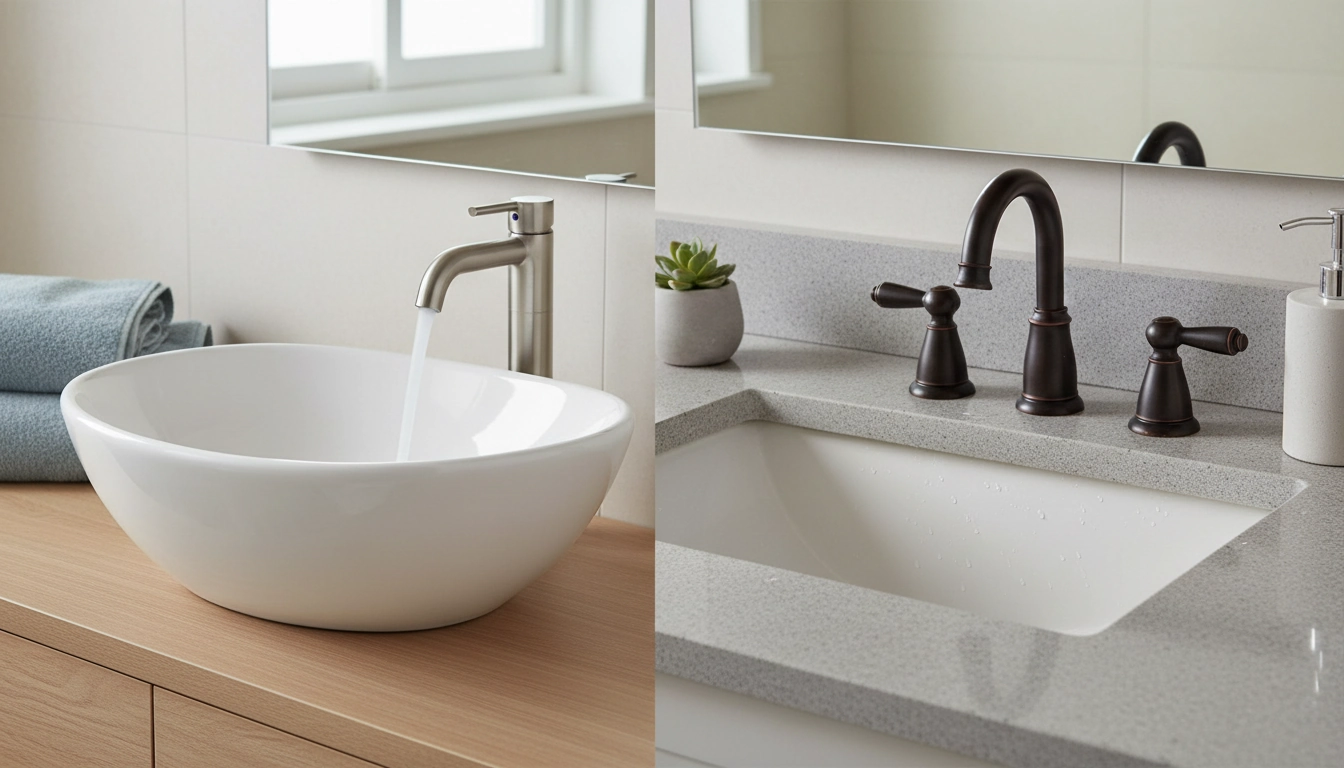
What’s better for a bathroom sink, porcelain or ceramic?
For most bathroom sinks, porcelain is usually the better pick if durability and a smooth, easy-to-clean finish are top priorities. Porcelain is essentially a ceramic material that’s fired at higher temperatures and commonly finished with a dense glaze, which helps it resist stains, moisture, and everyday wear.
Ceramic sinks can also perform very well, especially in decorative styles like vessel sinks. Many “ceramic” bathroom sinks are high-quality vitreous ceramics with a glossy glaze that looks and cleans similarly to porcelain. The real difference often comes down to how the sink is made and finished, not just the label on the box.
Porcelain sinks: where they shine
Porcelain is known for a slick, glass-like surface that handles toothpaste, soap residue, and makeup splatter with minimal effort. It’s a strong choice for busy bathrooms because it’s typically less likely to show discoloration over time when properly glazed and cared for.
That said, porcelain can chip if something heavy is dropped into the basin. A quality glaze helps, but impact is still the main enemy.
Ceramic sinks: where they make sense
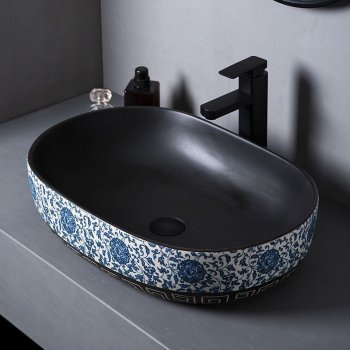
Ceramic sinks are a favorite for style-forward bathroom upgrades, including colorful and patterned vessel designs. If the ceramic is well-fired and evenly glazed, it can be highly water-resistant and simple to wipe down. Ceramic can sometimes be slightly more budget-friendly, and it offers a wide range of looks.
Which should you choose?
If you want classic, easy maintenance, porcelain is a safe default. If you’re shopping for a statement sink—especially a vessel sink—high-quality ceramic can be just as practical while offering more design options. For a closer look at a decorative ceramic option and what to consider for an upgrade, visit this guide to a blue floral ceramic vessel sink vanity upgrade.
FAQ
How do you clean a glazed vessel sink without scratching it?
Use a soft cloth or non-scratch sponge with mild dish soap, then rinse and dry. Avoid abrasive powders and rough scrub pads that can dull the glaze over time.










Leave a comment