Most Expensive Moissanite Color: D-Grade Explained
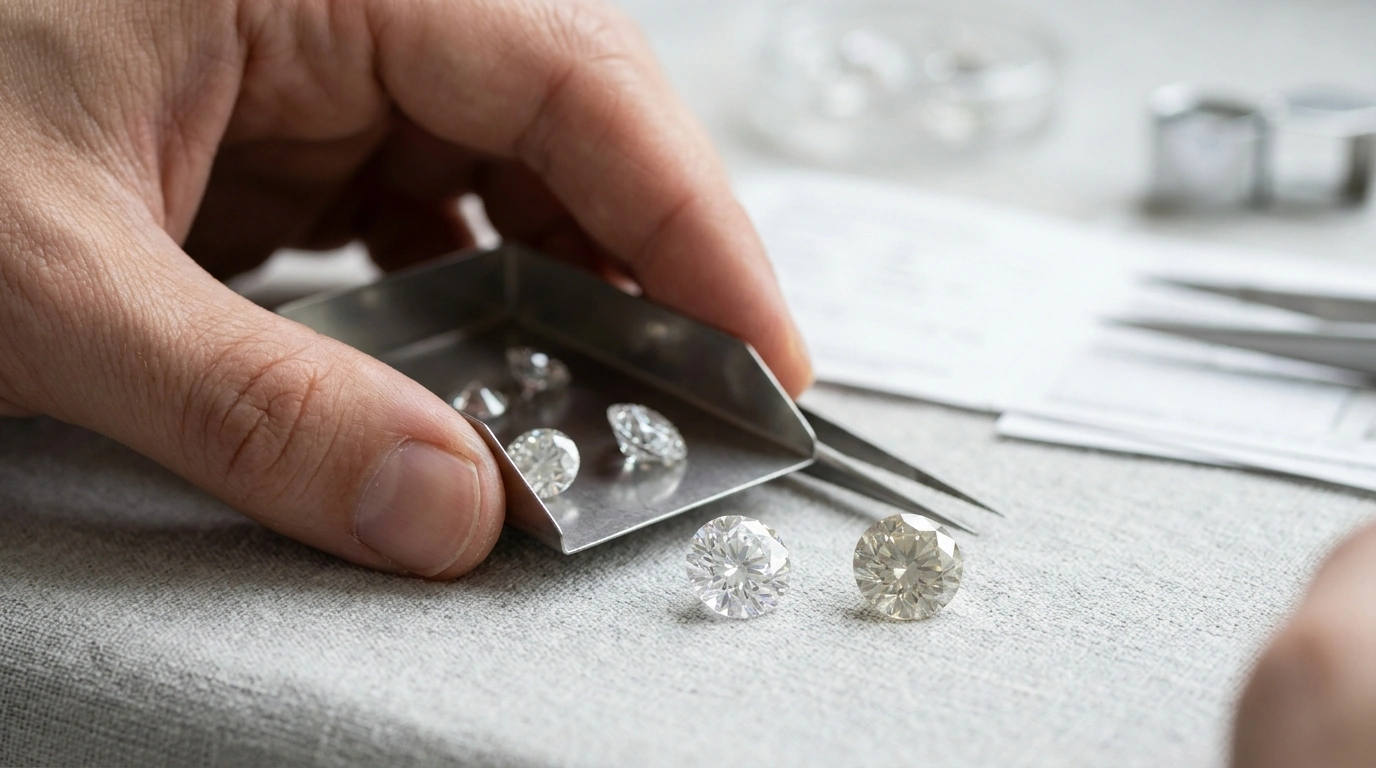
What color moissanite is most expensive?
The most expensive moissanite color is typically a colorless stone in the top color grades—most commonly D (and sometimes D–F as a range). Colorless moissanite commands the highest price because it’s the hardest look to consistently produce: it requires tighter control during crystal growth and more selective cutting to avoid any visible warmth or tint.
Why D color moissanite costs more
D color is considered “colorless,” meaning it shows virtually no yellow, gray, or green cast when viewed face-up and in normal lighting. That clean, icy appearance is what many shoppers want for diamond-like brilliance, especially in classic engagement styles. Because fewer rough crystals meet this strict standard, the supply is smaller—so pricing tends to be higher.
Does clarity affect the price more than color?
Color and clarity both matter, but colorless grades often create the biggest price jump within the same size and cut. Once you’re already in a high-clarity range (like VVS1), moving from near-colorless to true colorless usually costs more than a small clarity change. For shoppers aiming for a premium look, the “D + very high clarity” combination is often positioned at the top of the pricing ladder.
Do fancy colors ever cost more than colorless?
In most everyday retail listings, no—fancy colors like yellow, gray, green, or blue are usually priced similarly to, or less than, colorless stones of the same size and quality. Exceptions can happen with specialty treatments, limited runs, or designer settings, but as a rule, colorless D-grade moissanite remains the premium option.
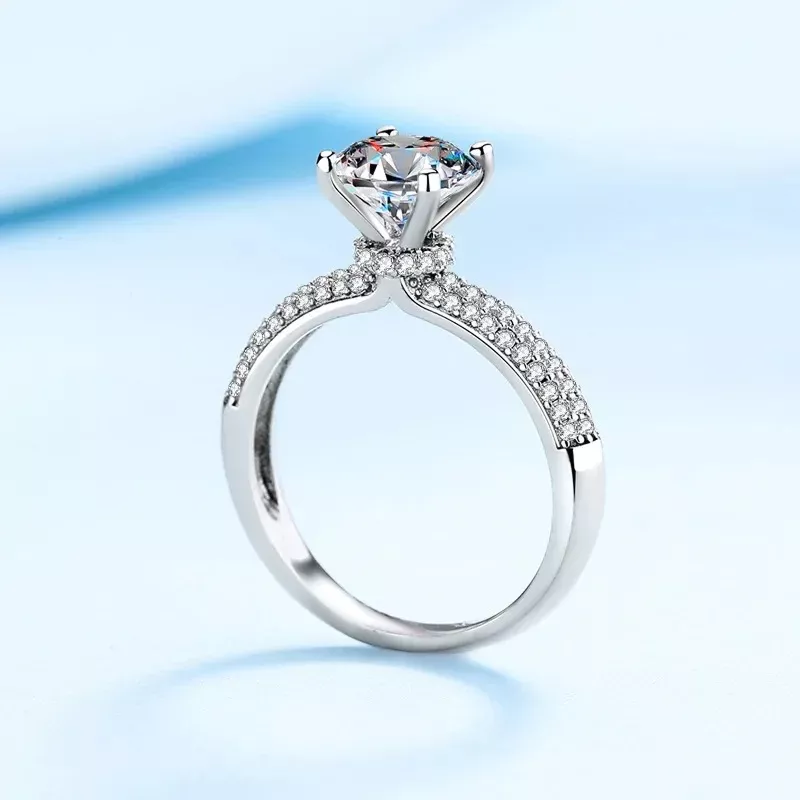
For a real-world example of how top color and clarity are presented in a finished piece, see this guide to a 2ct D VVS1 moissanite ring in 18k white gold: https://everydaychoicesshelf.shop/guide-2ct-d-vvs1-moissanite-ring-18k-white-gold-guide/.
FAQ
Does moissanite look better in white gold or yellow gold?
Colorless moissanite often looks especially crisp in white gold, while near-colorless stones can look warmer (and still beautiful) in yellow gold. Your metal choice can subtly influence how any tint is perceived.









Leave a comment