Stainless Steel Earrings: Downsides to Know
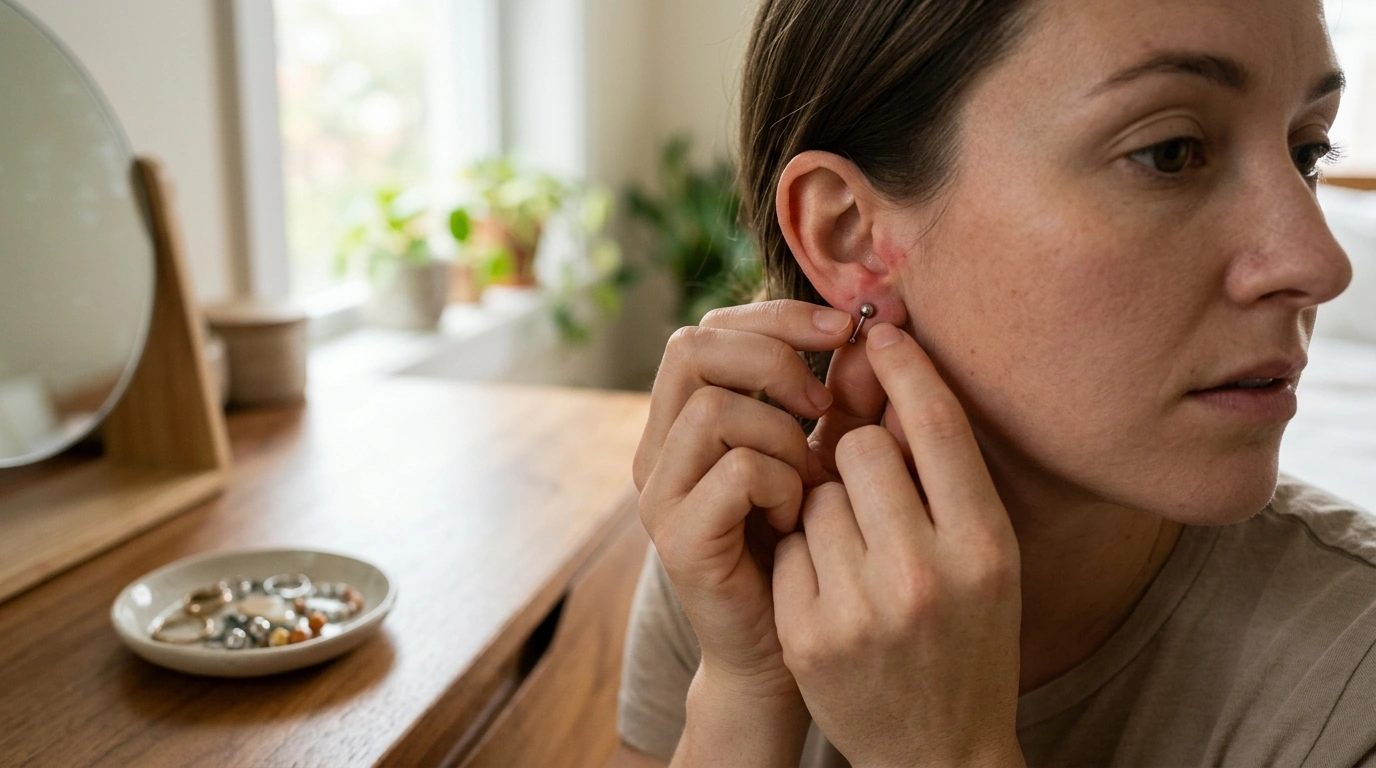
What are the cons of stainless steel earrings?
Stainless steel earrings are popular because they’re tough, affordable, and easy to clean. Still, they aren’t perfect for everyone or every style. The main downsides tend to fall into a few buckets: skin sensitivity, comfort, appearance over time, and how much flexibility you have in design and finishing.
Possible irritation for sensitive ears
Many stainless steel alloys contain some nickel, which can trigger itching, redness, or swelling in people with nickel sensitivity. Some “surgical” or “316L” stainless steel options reduce the likelihood of irritation, but they’re not a guarantee for highly reactive skin. If you’ve reacted to costume jewelry before, stainless steel may still be a risk.
Heavier feel than some alternatives
Stainless steel can feel heavier than titanium or certain lightweight plated options, especially in larger statement designs. That extra weight may cause discomfort during long wear, or pull slightly on piercings if the earrings have a long drop or oversized shape.
Less of a “fine jewelry” look
Stainless steel typically has a cool-toned, silvery shine that can read more utilitarian than precious metals. If you prefer a warmer, dressier finish—like gold tones—stainless steel may not match the look you’re after unless it’s plated.
Plating can wear down
Many stainless steel earrings are coated (gold-tone, black, rainbow, etc.). While the steel underneath is durable, coatings can fade or scratch with friction, sweat, perfume, or repeated cleaning. Once the finish wears unevenly, the contrast can be noticeable.
Harder to resize or modify
Stainless steel is strong and corrosion-resistant, which also makes it tougher to alter. Repairs, reshaping, or custom changes can be more difficult than with softer metals.
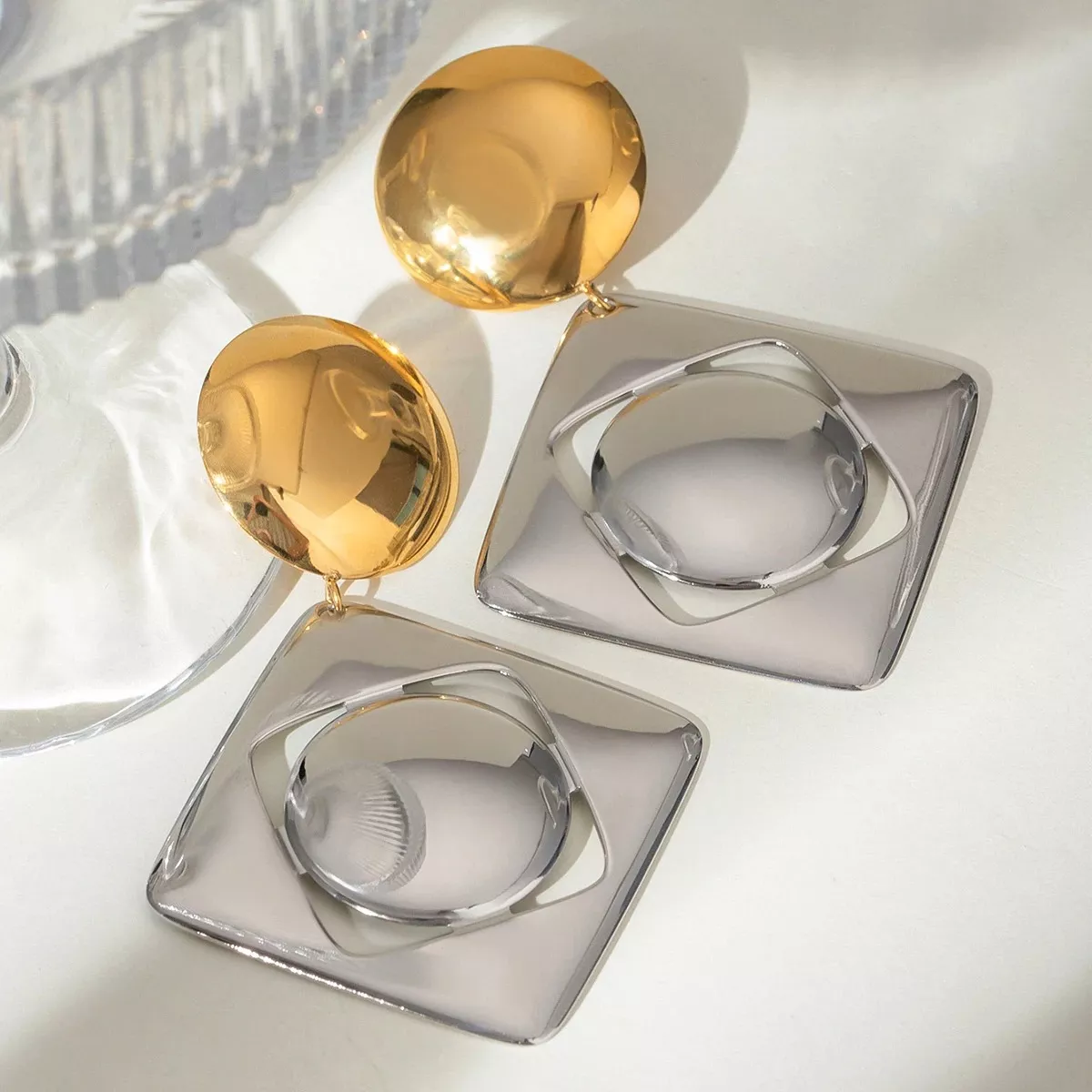
If you’re considering a warmer metal look with a modern silhouette, see this style guide to modern 18k gold plated square hollow drop earrings for an alternative aesthetic.
FAQ
Are stainless steel earrings good for sensitive ears?
They can be, but it depends on the alloy and your sensitivity level. If you react to nickel, look for nickel-free options or consider titanium for the lowest irritation risk.









Leave a comment