Quartz vs Automatic Dive Watches: Which Should You Choose?
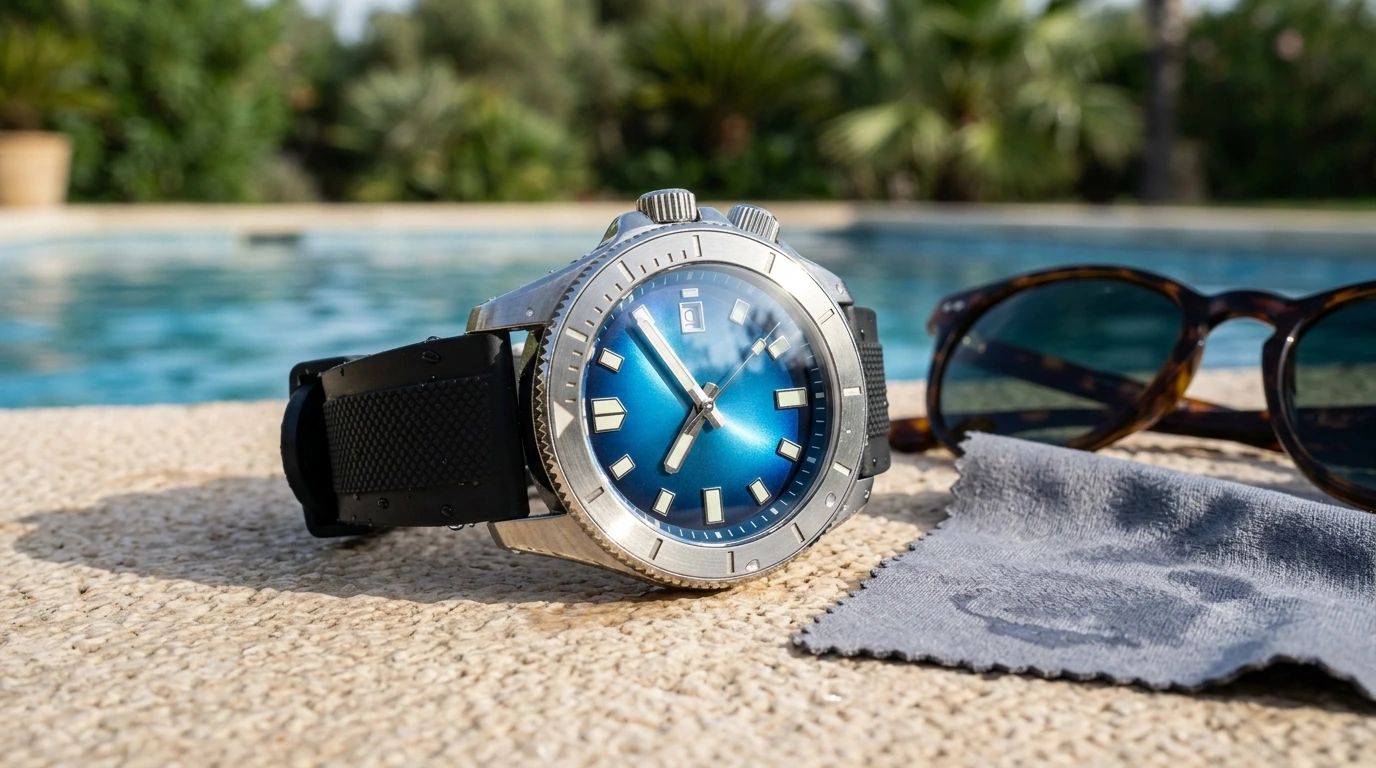
Should a dive watch be quartz or automatic?
Either can be a great dive watch—the better choice depends on how you’ll wear it. Quartz prioritizes grab-and-go accuracy and low maintenance, while automatic emphasizes traditional mechanics and a more “tool watch” feel on the wrist.
Choose quartz if you want maximum practicality
A quartz dive watch is hard to beat for day-to-day reliability. It’s typically more accurate, shrugs off periods of non-wear without stopping, and only needs a battery change every few years (plus pressure testing if you plan to take it underwater). If your dive watch is mostly for travel, timing errands, or occasional water use, quartz keeps things simple and consistent.
Choose automatic if you enjoy mechanical character
An automatic dive watch runs from your movement (or from hand-winding), so there’s no battery to replace. Many people prefer the smooth seconds hand motion, the engineering appeal, and the satisfaction of a self-contained mechanical system. The tradeoff is that automatics can be less precise than quartz and may need resetting if left off the wrist long enough to stop.
What matters more than quartz vs. automatic
For actual water use, water resistance, a trustworthy crown and gasket design, legible markers, and a secure bezel matter more than the movement type. Also consider servicing: quartz is usually cheaper to maintain over time, while automatic watches may benefit from periodic servicing depending on the movement and usage.
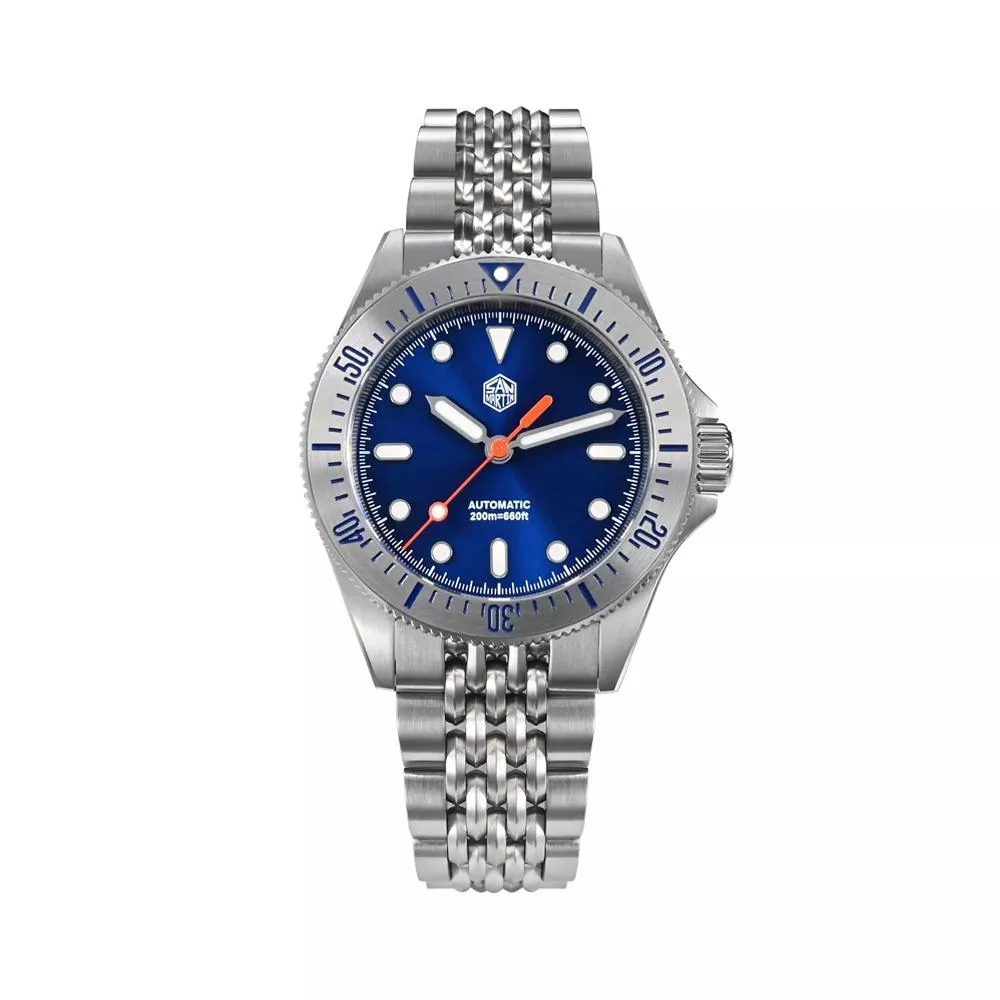
If you’re leaning automatic and want a closer look at a classic diver setup—automatic movement, diver styling, and everyday wearability—see the full guide here: https://everydaychoicesshelf.shop/guide-sunburst-enamel-dial-diver-watch-nh35-automatic-200m/.
For Quartz vs Automatic Dive Watches: Which Should You Choose?, the best answer depends on fit, material, care instructions, and how the product will be used day to day.
FAQ
How do I maintain a dive watch for long-term water resistance?
Rinse it with fresh water after salt or pool exposure, keep the crown fully secured, and get the seals and water-resistance tested periodically—especially after impacts or battery changes.









Leave a comment