Is Silicone Safe for Babies? Feeding Use & Buying Tips
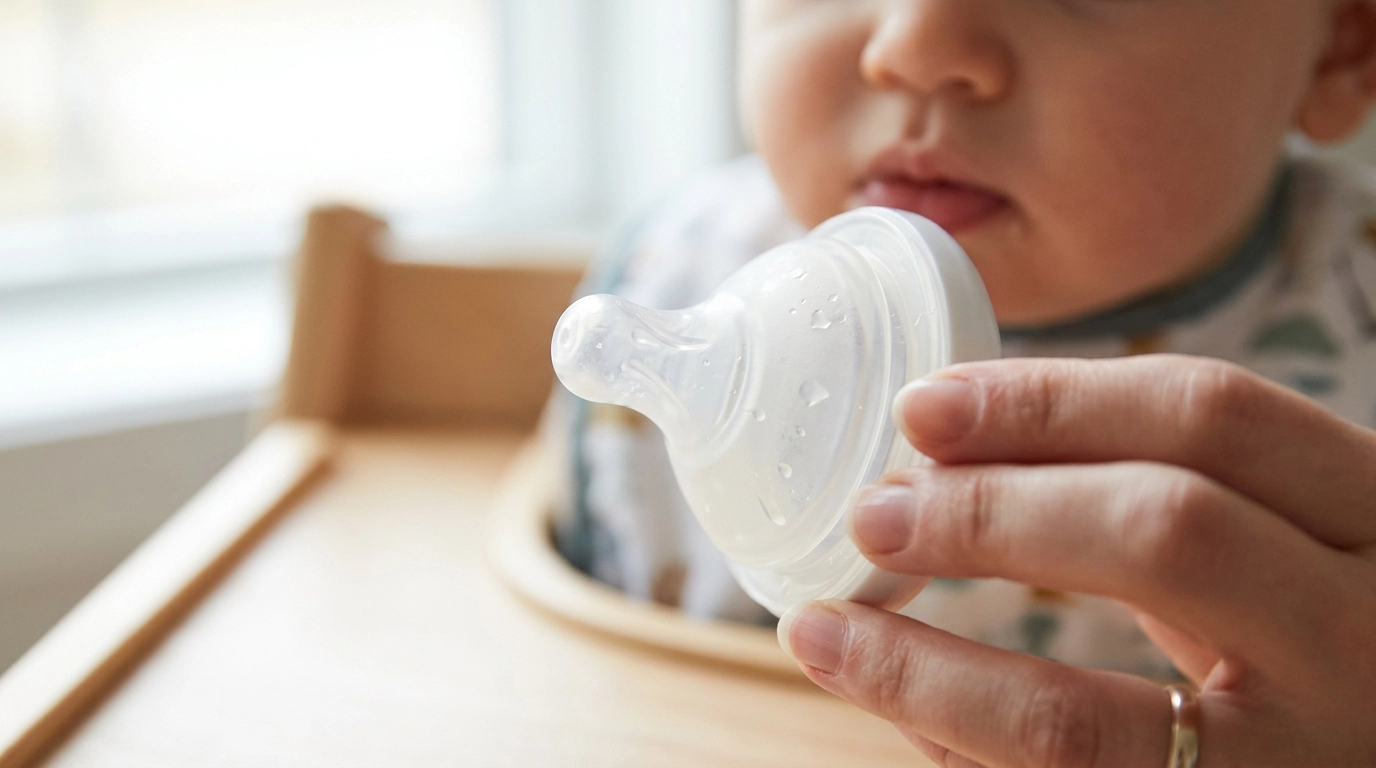
Is silicone actually safe for babies?
In most everyday feeding uses, high-quality food-grade silicone is considered a safe material for babies. It’s generally inert, doesn’t easily harbor bacteria when properly cleaned, and holds up well to repeated washing, which is why it’s common in bowls, bibs, cups, and utensils.
The key is choosing silicone items made for infant feeding and using them as intended. Reputable baby products are typically designed to meet food-contact safety rules and to avoid materials that are more likely to crack, chip, or leach.
What makes silicone a good option for baby feeding?
Silicone is soft and flexible (helpful for gums and early self-feeding), yet durable enough to resist breaking if it’s dropped. Many parents also like that it can be dishwasher-safe and heat-resistant, making cleanup simpler and reducing the need for harsh scrubbing that can wear down surfaces over time.
When should parents be cautious?
Safety depends heavily on quality and condition. Avoid items with a strong chemical odor, sticky or tacky surfaces, or visible damage (tears, deep scratches, or warping). Very cheap, unbranded products may not disclose materials clearly, so prioritizing transparent labeling and trusted sellers matters.
Also, any feeding product can become unsafe if it’s used past its lifespan. Replace silicone items that are degrading, and follow the maker’s care instructions—especially for boiling, microwaving, or sterilizing—since excessive heat or harsh cleaners can shorten longevity.
What to look for when buying baby silicone products
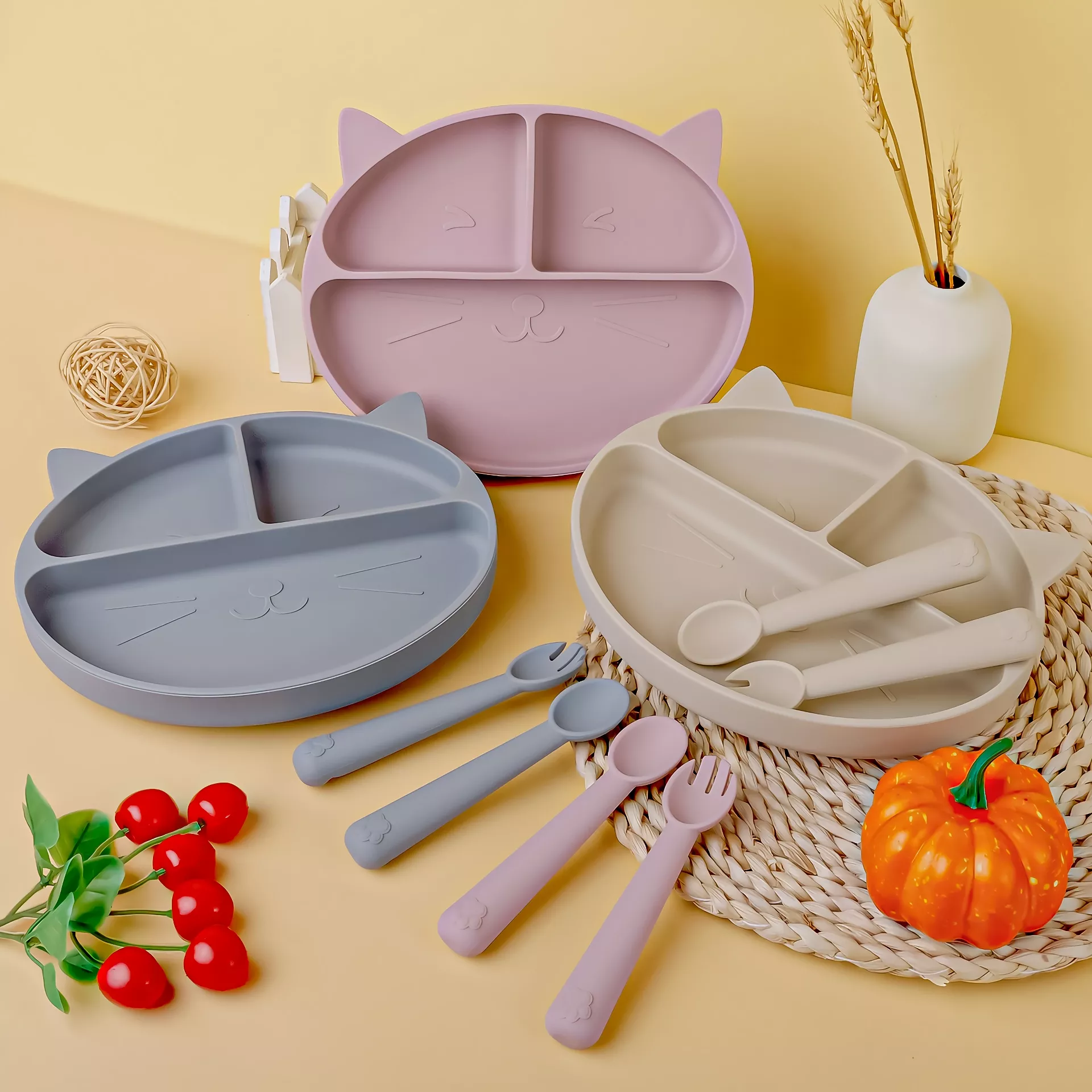
Look for “food-grade silicone” and clear product details, including care guidance. One-piece designs can be easier to clean, and suction bases can help reduce spills (which can lower the chance of slipping or tipping during meals). For a practical checklist of what to consider in sets like suction bowls, cups, bibs, and utensils, see this baby silicone feeding set guide.
FAQ
How do you clean and deodorize silicone baby feeding items?
Wash with warm water and a mild, fragrance-free dish soap, then rinse well and air-dry completely. For lingering odors, soak in a solution of baking soda and warm water, then rinse and dry; replace items if smells persist along with surface changes.










Leave a comment