1-Carat VVS Moissanite Price: What You’ll Really Pay
How much is a carat of VVS moissanite?
A 1-carat VVS moissanite typically costs about $50 to $300 for a loose stone, with most well-cut, colorless options landing in the mid-range. The final price depends less on the “carat” label alone and more on the stone’s size in millimeters, color grade, cut quality, and whether it’s certified or branded.
Why the price range is so wide
Moissanite is lab-created, so pricing is driven by quality and finishing rather than mining scarcity. “VVS” (Very Very Slightly Included) indicates extremely tiny inclusions—often not visible without magnification—so VVS stones can cost more than VS or SI moissanite. Still, for many sellers, moissanite clarity has a smaller impact on price than color and cut.
Carat vs. millimeter size (what you’re really buying)
Moissanite is lighter than diamond, so “1 carat” is often used as a diamond-equivalent (DEW) reference. A 1.00 ct diamond-equivalent round moissanite is commonly around 6.5 mm, but exact measurements vary by cut style and proportions. Shopping by millimeters helps you compare stones more accurately than relying on carat language alone.
Stone-only cost vs. finished ring cost
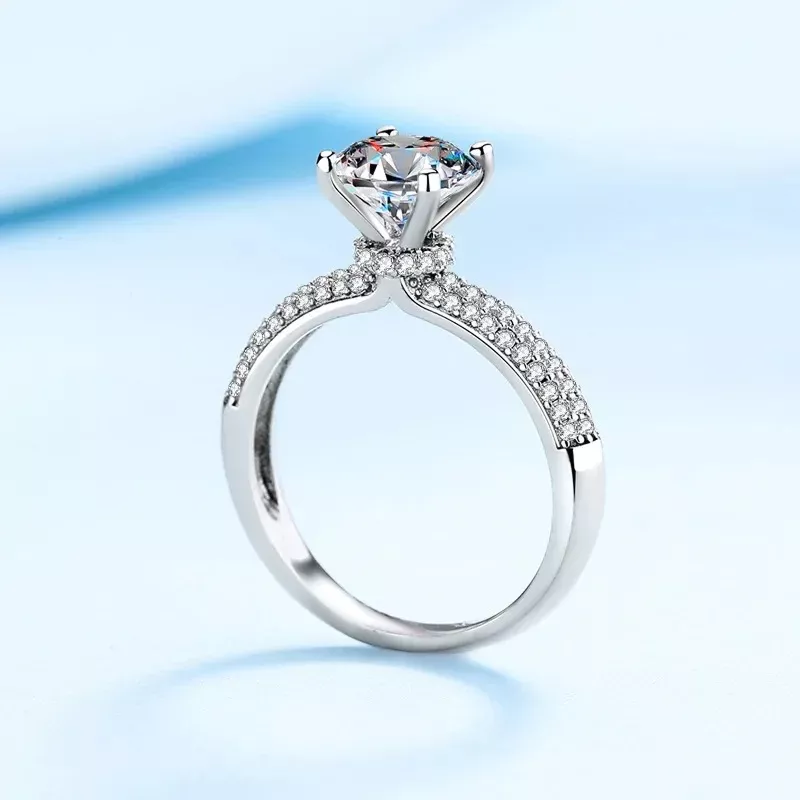
If you’re buying a ring, the setting can outweigh the stone price. Metal type (10K/14K/18K gold or platinum), ring weight, design complexity, side stones, and craftsmanship all affect the total. For a real-world benchmark—especially if you’re considering a higher-carat, high-color, high-clarity look—see this guide: 2ct D VVS1 moissanite ring in 18K white gold guide.
Tips to pay a fair price
Look for a reputable seller, confirm the stone’s millimeter dimensions, and prioritize cut quality (sparkle and symmetry) alongside color. If possible, request documentation or a grading report, and check the return policy in case the appearance differs from expectations under your lighting.
FAQ
Is VVS moissanite worth it compared to VS?
Often, VS moissanite can look identical to VVS to the naked eye, especially in smaller sizes. VVS may be worth it if you want top-tier specs on paper or you’re choosing a larger, highly transparent stone.










Leave a comment