Lightest Mountain Bike Saddle: Ultralight Carbon Picks
What is the lightest mountain bike saddle?
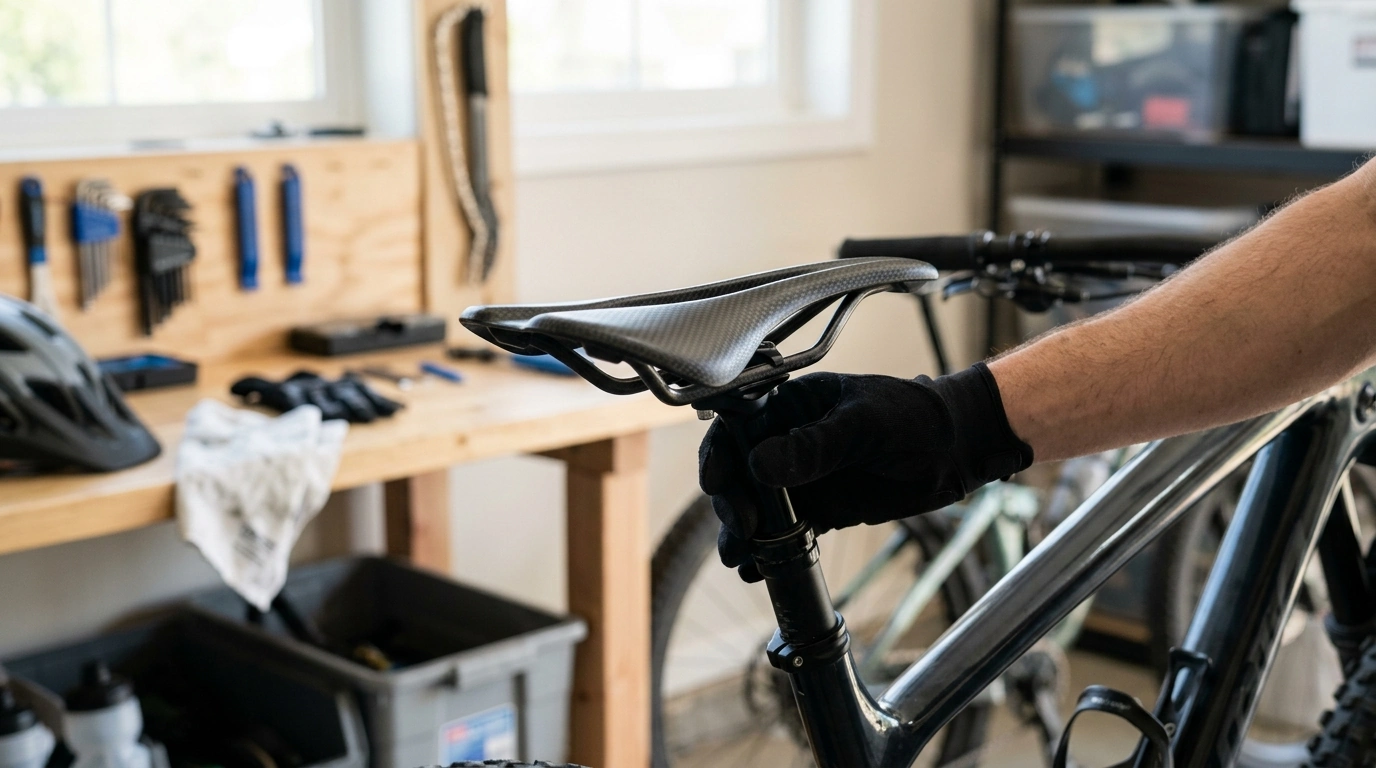
The lightest mountain bike saddles are typically ultralight, minimalist designs that combine a carbon fiber shell and rails, often with a thin (or no) foam layer. In real-world shopping, the “lightest” option is usually a full-carbon saddle built for cross-country (XC) and climbing-focused riders—where low weight matters more than heavy padding.
For many riders, the practical answer isn’t a single model name, but a category: an ultralight carbon saddle that still matches your sit-bone width and riding position. A saddle that’s a few grams heavier can feel dramatically better over long rides if the shape is right, and that comfort can translate to better performance than chasing the absolute lowest number on a scale.
How to identify a truly ultralight MTB saddle
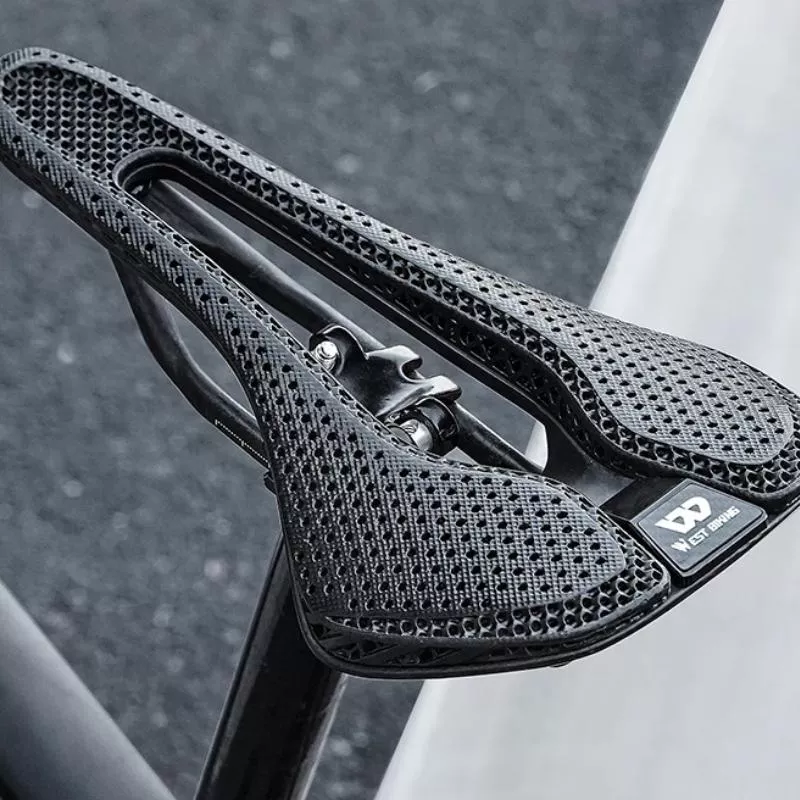
Look for carbon rails (often oval), a carbon shell, and a short, wide-nose design that supports modern riding positions. Many of the lightest options use advanced construction—such as 3D-printed lattice tops—to add targeted support without adding bulky foam. Weight claims can vary by saddle width, rail type, and hardware, so confirm the exact version being sold.
What matters besides weight
Mountain biking adds vibration, steep grades, and frequent body movement. The lightest saddle only works if it supports you without creating hotspots. Key checks: correct width, a center relief channel or cutout if you need it, and enough durability for off-road impacts. Also confirm your seatpost clamp is compatible with carbon rails to avoid damage.
If you want a deeper breakdown of ultralight carbon and 3D-printed designs—plus fit, setup, and clamp-compatibility details—see the full guide here: https://everydaychoicesshelf.shop/guide-ultralight-3d-printed-carbon-saddle-fit-setup-guide/.
FAQ
Are 3D-printed saddles good for mountain biking?
They can be, especially for XC and marathon riding, because the lattice structure can reduce pressure while staying very light. The best results come from choosing the right width and pairing it with a compatible seatpost clamp for the rails.










Leave a comment