Trendy Shoulder & Crossbody Office Bag Buying Guide
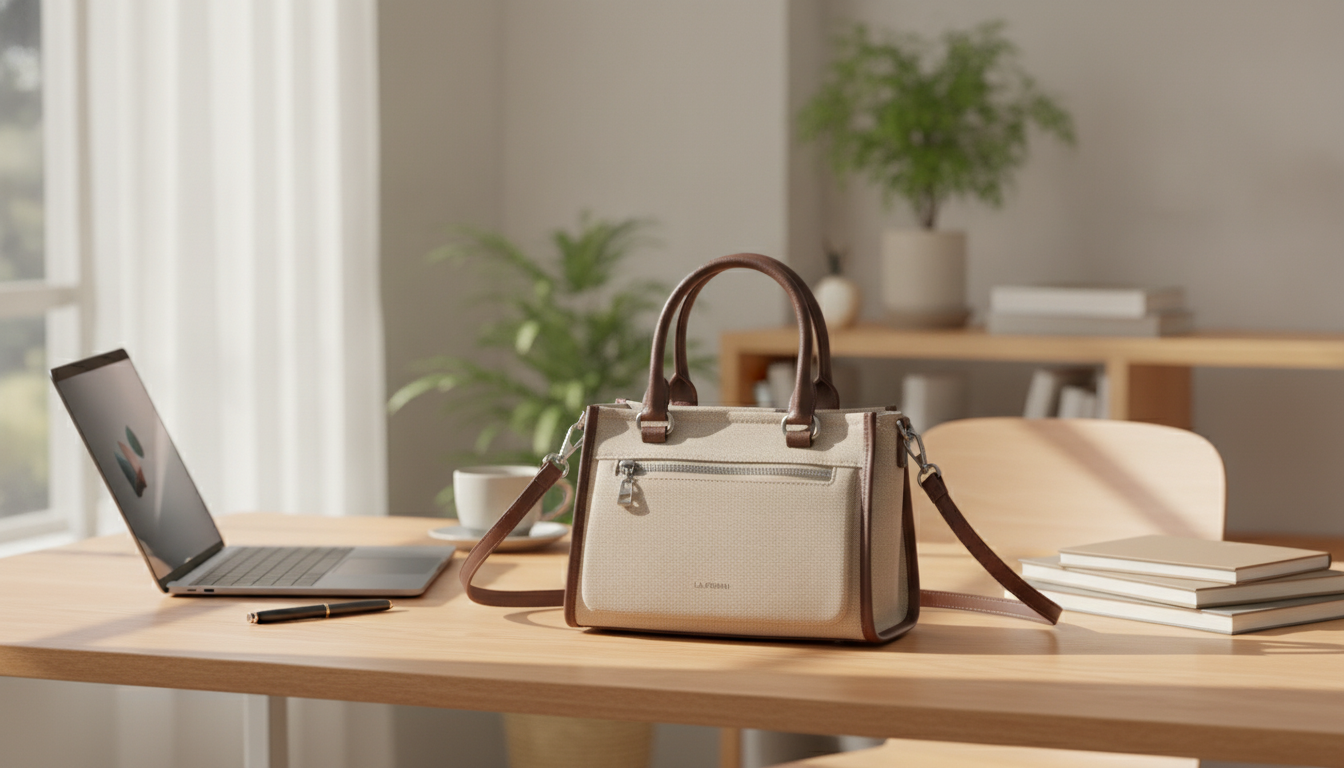
Trendy Shoulder and Crossbody Office Bag: Style, Structure, and Workday Ease
A work bag has to do more than look polished—it should carry daily essentials comfortably, keep items organized, and transition smoothly from commute to meetings to after-hours plans. A shoulder-and-crossbody office bag is one of the most flexible options because it can move with your schedule: hands-free when you need it, streamlined when you want it. Below are the details that make a bag feel easy all day, plus practical checkpoints for fit, comfort, and longevity.
What Makes an Office Bag Feel Effortless All Day
The best work bags earn their keep during the in-between moments: walking from parking to the building, juggling coffee and a badge, or hopping on transit. Crossbody carry is the standout for busy days because it keeps your hands free and helps the bag stay stable against your body. When you need a cleaner, more formal silhouette, a quick switch to shoulder carry instantly looks more “office.”
Structure matters just as much as style. A bag that holds its shape won’t slump on your chair, collapse on a meeting-room table, or swallow your small items at the bottom. Comfort details are often overlooked, but they’re the difference between a bag you enjoy carrying and one you avoid: strap width (to reduce pressure), strap adjustability (to dial in fit over coats or blazers), and balanced weight distribution (so the bag doesn’t tug at one spot).
If you routinely carry heavier loads, it’s also worth reviewing basic posture and load-management guidance from authoritative resources like the CDC ergonomics overview and the Mayo Clinic’s back pain self-care tips—small changes like lightening your bag and alternating sides can add up over a long week.
Key Details to Check Before Buying
1) Plan capacity around your real day
Start with what must fit daily: phone, keys, wallet, charger, a small notebook, and a water bottle. Then list occasional add-ons: tablet, lunch container, cosmetics pouch, or a compact umbrella. A structured medium bag often hits the sweet spot—roomy enough for the essentials plus extras, without encouraging overpacking.
2) Look for a simple, repeatable interior layout
Organization shouldn’t require constant rearranging. The most functional setup is a main compartment for bulk items, a secure pocket for valuables, and quick-access slots for things you grab often (transit card, earbuds, lip balm). If you prefer a minimalist routine, you can also rely on one slim pouch for small items and keep everything else loose.
3) Choose a closure that matches how you move
If you commute in crowds or travel frequently, a zip closure is hard to beat for security. Flap or magnetic closures can be faster for quick stops, but consider how often you’ll open the bag during the day and whether the closure stays aligned when the bag is full.
4) Don’t ignore hardware and attachment points
Strap anchors take the most stress over time—especially if you carry a full water bottle or tech gear. Reinforced attachment points and sturdy rings help prevent premature wear. It’s a small detail that can decide whether a bag lasts one season or many.
5) Base support keeps the bag tidy (and your items safer)
A firm bottom panel helps the bag stand, protects contents from being crushed, and reduces the chance of that “accordion” collapse on desks or café tables. It also makes it easier to set the bag down without everything shifting.
Shoulder vs Crossbody: When Each Carry Style Wins
At-a-Glance Comparison of Common Workday Bag Setups
| Setup | Best for | What to look for | Watch-outs |
|---|---|---|---|
| Compact crossbody | Minimal carry days and quick errands | Secure closure, slim profile, inner zip pocket | Can feel tight for chargers, notebooks, or sunglasses cases |
| Medium structured shoulder/crossbody | Most office days with a few extras | Adjustable strap, organized interior, reinforced base | Overpacking can make it heavy; choose comfort strap width |
| Large work tote with crossbody option | Long days or carrying lunch + tech | Strong anchors, wider strap, stable base, protective lining | Heavier overall; consider load limits and posture |
How to Style a Trend-Forward Work Bag Without Overthinking It
Simple pairings that work on repeat include the Women’s Summer Pleated Linen Tank Top for warm weather balance and the Minimalist Loose Pleated Suit Pants for an easy polished base that doesn’t need much styling.
Care and Longevity: Keep It Looking New Longer
Product Spotlight: Trendy Shoulder and Crossbody Office Bag
If your routine includes commuting, meetings, and quick stops between, the Trendy Shoulder and Crossbody Office Bag is designed for the exact advantage of dual carry: stable crossbody wear when you need hands-free movement, and an easy switch to shoulder carry when you want a more traditional office silhouette.
Complete the Look: Simple Workwear Pairings
FAQ
What size office bag works best for daily essentials?
List your must-carry items (phone, wallet, keys, charger, small notebook) and choose a size that fits them without forcing overpacking. A structured medium bag works well for most routines, especially when it includes a secure closure and a few interior pockets.
Is a crossbody office bag comfortable for commuting?
It can be, as long as the strap is adjustable, wide enough to reduce pressure, and the bag sits near hip height. Keep the load light, switch carry sides occasionally, and use secure closures in crowded areas.
How can an office bag stay organized without constant rearranging?
Group small items in one or two pouches, keep valuables in a dedicated secure pocket, and use the same spot for essentials every day. A quick end-of-day reset prevents clutter from building up and makes mornings faster.












Leave a comment