3D Water Vapor LED Fireplace: Smoke-Free Flame Ambiance
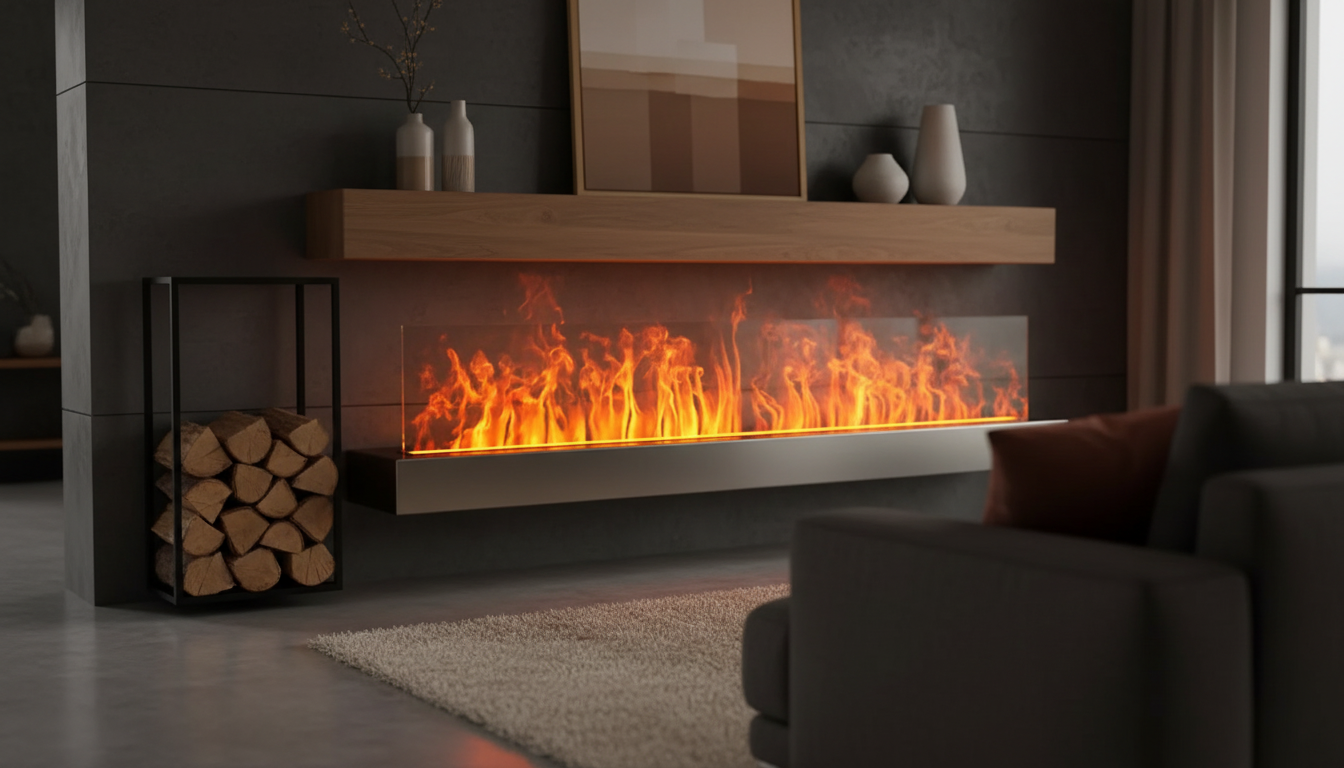
3D LED Flame Water Vapor Electric Fireplace: Realistic Ambiance Without Smoke or Ash
A water vapor electric fireplace pairs LED lighting with a fine mist to create a convincing 3D flame effect—without burning wood or producing soot. The result is a dramatic focal point that feels cozy and animated, while staying clean and low-odor compared to traditional combustion fireplaces. Below is a practical guide to how the effect works, what it looks like in a real room, and what to consider for placement, upkeep, and everyday comfort.
What a Water Vapor “Flame” Is (and What It Isn’t)
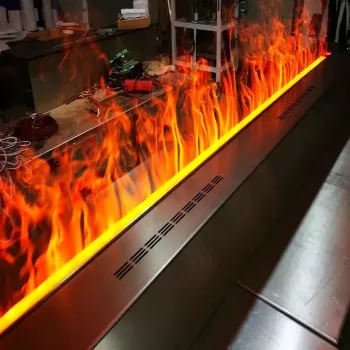
A water vapor “flame” is an illusion created by illuminating a thin, floating mist. Instead of burning fuel, the unit generates fine water vapor and uses LED light to shape it into a flame-like form.
- Creates the flame illusion using illuminated water mist rather than combustion.
- No real firebox burning fuel: no smoke, no creosote, and no ash cleanup.
- Designed primarily for visual ambiance; heating (if included) depends on the specific model configuration.
- Often preferred for homes wanting a dramatic focal point while minimizing odor and residue.
How the 3D LED + Water Vapor Effect Looks in a Room
In person, the strongest advantage over flat flame screens is the sense of depth. Because the light interacts with moving mist, the “flame” can appear layered and dimensional, as if it’s floating in front of (and within) the firebox opening.
- The mist catches light to form a layered, “floating” flame look that can appear deeper than flat flame screens.
- Brightness and flame visibility depend on ambient lighting; darker rooms typically show the effect more vividly.
- Many setups allow tuning the mood by adjusting lighting intensity and flame-like movement settings (when supported).
- Adds visual motion and a soft glow that can complement modern, minimalist, or contemporary interiors.
For the most dramatic presentation, consider the background: darker interior finishes, matte wall colors, or a media wall can help the flame stand out. In brighter daylight, the effect may look subtler—still attractive, but less “cinematic” than it appears in the evening.
At-a-Glance Feature Guide for a Water Vapor Electric Fireplace
Use the checklist below to compare features that affect daily convenience, realism, and upkeep. Before choosing a location, prioritize easy water refilling, simple controls, and the unit’s placement/installation requirements.
| Feature | What it does | Why it matters at home |
|---|---|---|
| Water vapor mist system | Generates fine mist to carry light and create a flame illusion | Improves realism without smoke, soot, or ash |
| 3D LED flame lighting | Projects light into the mist for depth and movement | Creates a more dimensional look than purely 2D effects |
| Adjustable flame/brightness (if available) | Changes intensity or mood of the visual effect | Helps match daytime vs evening lighting and décor |
| Water refill access | Provides a way to add water to the reservoir | Easier refills reduce hassle and help maintain consistent visuals |
| Auto shutoff/low-water protection (if available) | Stops mist output when water is low | Protects components and reduces maintenance issues |
| Installation type | Built-in, wall-insert, or freestanding depending on design | Determines where it can safely and cleanly fit |
Placement and Setup Considerations
While water vapor fireplaces avoid smoke and soot, they still benefit from thoughtful placement for the best visuals and easiest ownership. A little planning up front helps prevent weak-looking flames, awkward refilling, or unnecessary cleanup later.
- Choose a location with a stable surface and appropriate clearance based on the unit’s requirements.
- Keep the fireplace away from direct drafts (HVAC vents, frequently opened doors) that can disrupt the mist effect.
- Plan access for refilling water and for routine cleaning without needing to dismantle the installation.
- Use a properly grounded outlet and avoid overloading power strips; follow the manufacturer’s electrical guidance.
If you’re integrating the unit into a media wall, keep practical access in mind. A beautiful flush look is great, but you’ll still want to reach the reservoir and any service points without turning routine refills into a construction project.
Maintenance: Water Quality, Cleaning, and Long-Term Care
Safety and Comfort Notes for Everyday Use
For general electric-heater safety guidance, review recommendations from the NFPA and the U.S. Consumer Product Safety Commission. For efficiency and usage considerations, see ENERGY STAR’s space heater guidance.
Product Spotlight: 3D LED Flame Water Vapor Electric Fireplace
For a clean, modern focal point that still feels lively, the 3D LED Flame Water Vapor Electric Fireplace is designed to deliver a dramatic 3D flame look using water vapor and LED lighting—without smoke or ash. It’s a strong fit for living rooms, bedrooms, offices, and media walls where a decorative, smoke-free fireplace effect is preferred.
If you’re planning a broader room refresh, pairing a dramatic fireplace feature with other crisp, modern fixtures can help the space feel intentional. For example, a sleek bathroom upgrade like the Rectangular Tempered Glass Bathroom Vessel Sink with Waterfall Faucet can complement the same clean-lined, contemporary aesthetic in adjacent spaces.
FAQ
Does a water vapor electric fireplace produce real heat?
The flame effect itself is visual and created by light and mist, not combustion. Whether you get heat depends on if the specific unit includes a heater function and what its rated output is, so it’s best to confirm the exact product specifications.
Is the mist safe for indoor use and furniture?
The mist is typically water-based, but it’s still smart to use normal precautions. Avoid placing the mist output directly under sensitive electronics, monitor indoor humidity in smaller rooms, and follow the manufacturer’s placement and operating guidance.
How often does the water reservoir need refilling?
Refill frequency depends on reservoir size and your mist/flame settings. Many households find it ranges from daily to every few days with regular use, so it helps to choose a setup that keeps refilling access convenient.









Leave a comment